I was in the supermarket the other day waiting in line at the checkout counter. As always—I can’t help it, I’m nosy—I was looking at what the woman in front of me was buying. Her groceries looked like what I’d get: some greens, a couple of eggplants, a bag of oranges, a sack of onions, a wedge of pecorino cheese, a loaf of bread, some wine. You get the idea. Nothing exceptional, except for that similarity to my groceries, in other words.
Okay, like so what? It was a big deal to me. When I stand waiting for the cashier back in New York, I’m usually horrified at my fellow shoppers’ food choices, like boxes of crappy frozen meals, big bags of Doritos, chop meat, lots of meat in fact, and bottles and bottles of Coke and other soda. Call me elitist, but it’s more of a cultural gap. I was always bad at being a mainstream American because of my upbringing. I guess it’s a first-generation thing, but I always felt like I was straddling two continents, where I was born, and where my father and my maternal grandparents came from. (I love peanut butter and gochujang, though, so I’m not 100 percent Italian when it comes to food.)

We used to come here to Italy as a sort of refuge. At first it was a couple of stolen weeks in a busy summer, then that time away got longer as I managed to do a lot of work remotely. I remember being at a P-Funk All Stars Umbria Jazz concert and looking at my phone to approve a magazine cover photo. Then when we bought a house in the country, and I didn’t have a day job to go to, we’d stay here a few months at a time. But it was always less than six months, and under the limit beyond which we’d be official Italian residents, like it or not.
I’m trying to decide whether that arrangement was either having the best of both worlds, or merely not being in either place. A certain lack of commitment, to be sure. We had lots of good reasons for waffling, like family, friends in the U.S., and there were tax implications, too. By staying in Italy for fewer than 183 days a year, but having our income sources in the U.S., we were full-time American tax residents. There’s not much to choose from in actual taxes when you total up everything you’re charged for in the U.S., but it’s definitely simpler to be a tax resident in just one place. (The United States considers you a tax resident wherever you live, forever, or until renunciation.)
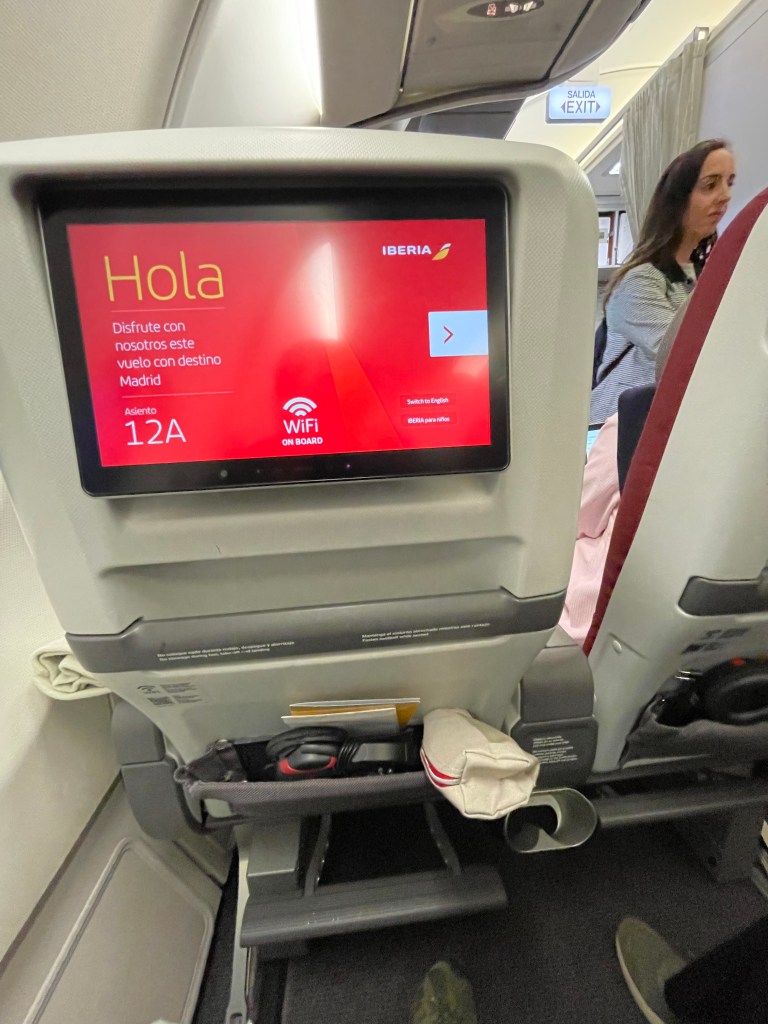
There are disadvantages, too, to living in a couple of countries. It’s expensive. We flew more often that we really wanted to, and while being experts on which airlines have the lowest premium economy fares may be worth something, the back and forth back and forth was getting to be too much. Plus even though we’re Italian citizens, we couldn’t take full advantage of being Italian/European Union citizens. We have to carry our passports as ID instead of a simple digital ID card. We have to pay doctors privately here, rather than being full-time enrollees in Italy’s public healthcare system. (It’s not as expensive as it is in the U.S., but still….) And full-time residents don’t have to pay real estate taxes on their main dwelling.
So after years of noncommittal, not to mention 2020, The Year of Covid, we marched ourselves to our town hall and declared residency. I was nervous about doing so. The Italian consular officials in New York aren’t always the kindest, most helpful public officials. And the declaration form was detailed—to get the real estate tax exemption, it looked as though they wanted me to enumerate every square meter of our house and yard here. After realizing that it was impossible to get it all on the page, I simply printed out our property sale document and wrote in Italian, “see attached.”
We kept putting our trip into town off for mostly dumb reasons, but finally it was put up or shut up time. So a few days ago, we marched ourselves up the stairs to the demographics office window. The official took our paperwork, skimmed through it, and said, “fine. Go downstairs to the Protocol office, and tell him that I already approved the documents.” We did so, spending a few minutes while the second guy typed our info into the database. The other guy came downstairs to see how things were going, and after a short time spent chatting, they were done and we walked out into our official new town.
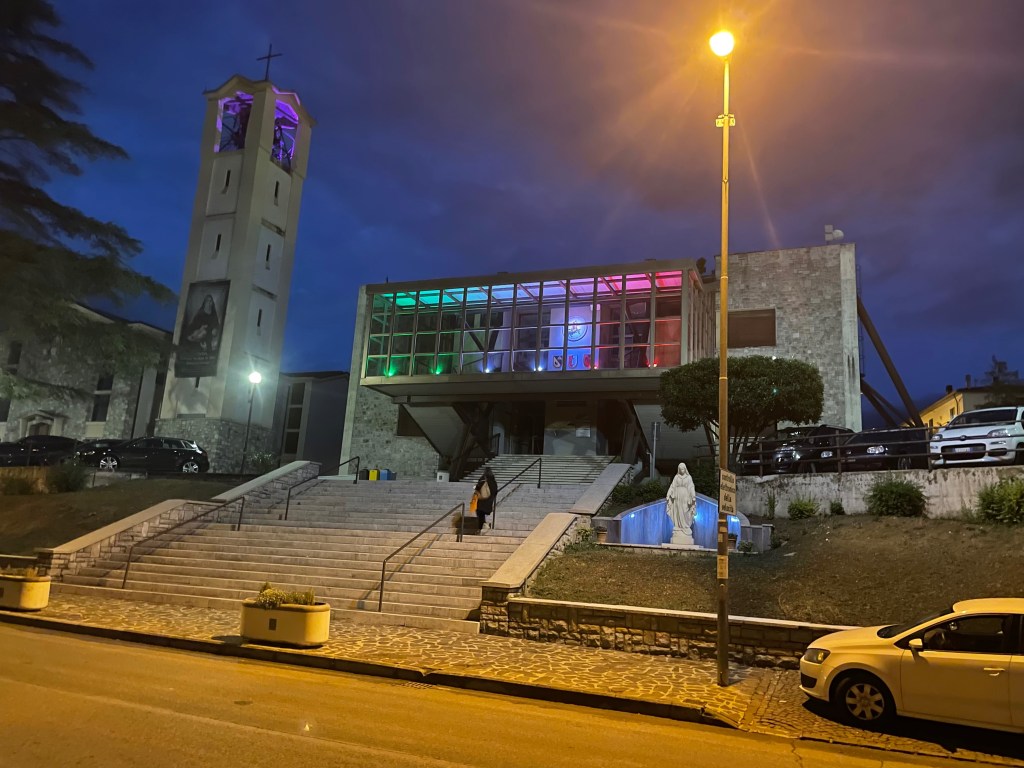
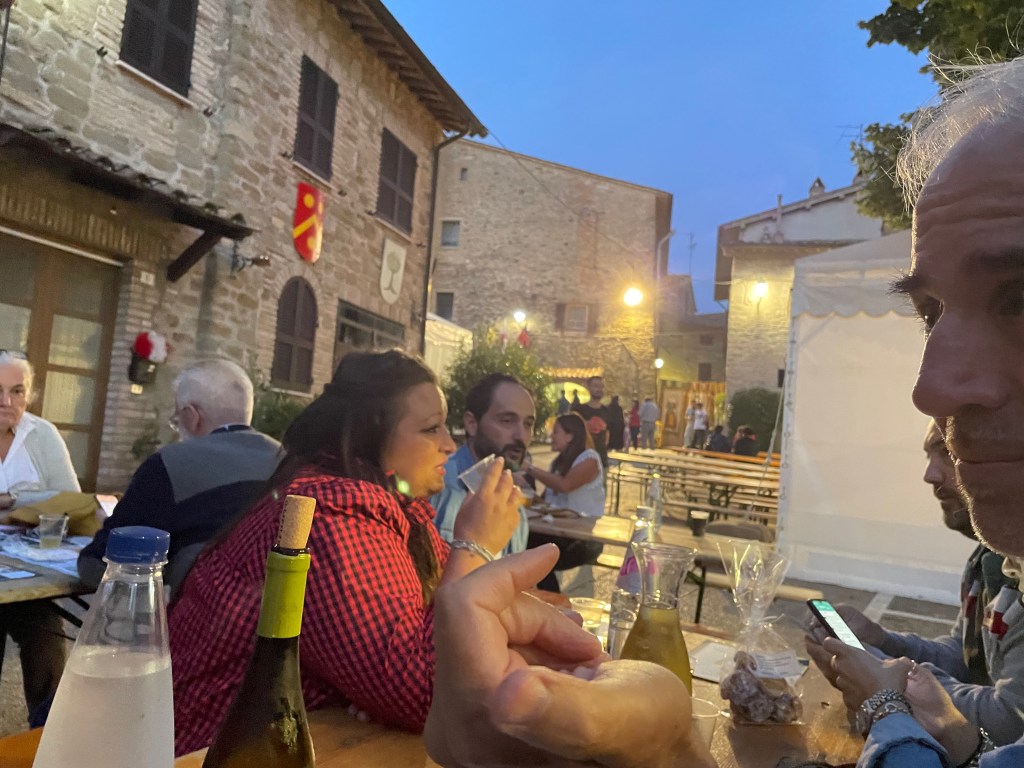
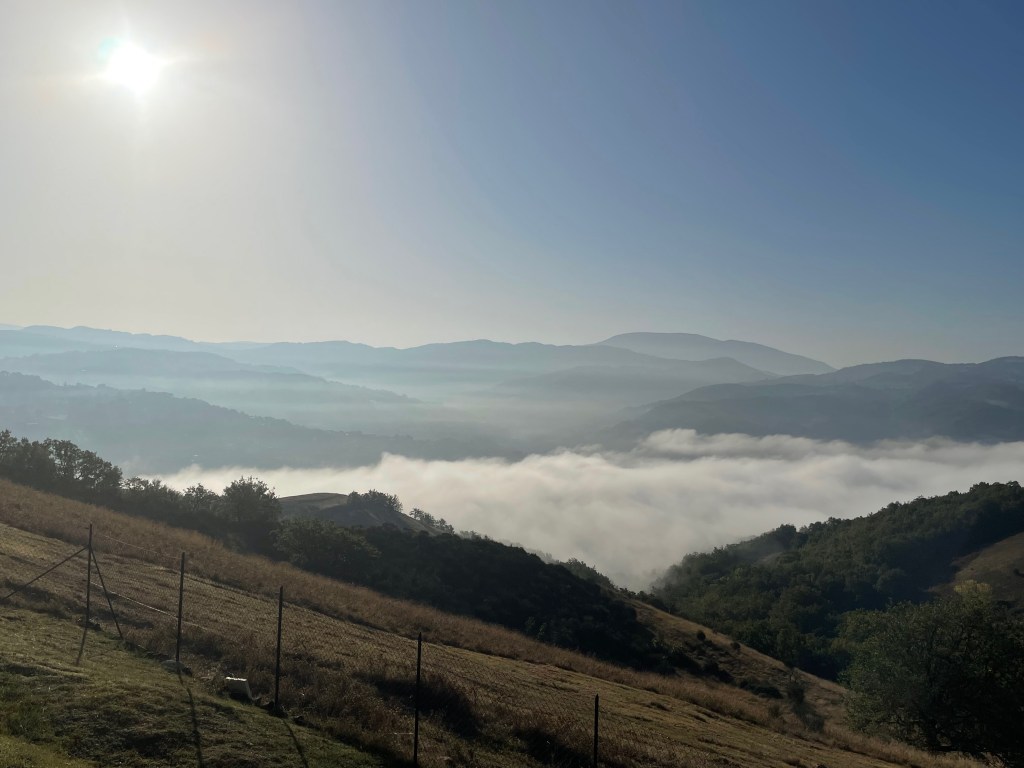
There’s more. We’ll have to convert our driver’s licenses. We have to enroll in the health system, and the local police will pay us a visit to make sure that we really live here. But things already feel more settled. I’ll tell you in later posts what makes this town so special (random photos below just for the hell of it). For now I’m just happy to be anchored in one place.



 (Not) A Year (Not) in tuscany