Act like you fit in

On my friend Mick’s first day of kindergarten, his father gave him some good advice: “Act like you fit in.” I guess even back then, his dad knew that Mick was an artist and a gentle sweet soul who’d have a rough time navigating a sometimes hostile world. Funny how his advice seems really valid now to us. I’m looking at boxes and stacks of books and a guitar case, thinking about how we’re finally close to reversing the moves made by my father and my mother’s parents decades ago to the United States.

The Spartan Woman and I were driving around the other day doing some errands, and we talking about people we know who’ve become expatriates in Italy. And in a way we felt a little, I don’t know, pleased with ourselves that we were raised in New York in immigrant families and communities. “If I had to pin down my nationality,” said TSW, “I’d say New Yorker.”

But that’s almost too easy. After being in Italy almost six months, and after two years of pandemic-driven isolation, we’re realizing that our New York doesn’t exist any more, except in pockets where recent immigrants live and work. Still, whether New York has morphed into something different, we’re still a different breed from Those People Out There and we’re proud of it. Growing up in New York makes you—us—citizens of the world. And that has prepared us for our little adventure in reverse immigration.

Here’s how. I’ve told you about Holly Street before, where I grew up. The street was populated by a mix of recent European immigrants (Italian, German, Irish, Scottish) and old-time Staten Islanders. The Spartan Woman has an immigrant past, too—all four grandparents were born elsewhere, her paternal grandparents from in and around Palermo, Sicily, and her maternal grandparents from Sparta in Greece. Combine that with the local dialect, where Yiddish syntax influences how we speak English, and you get a native New Yorker of a certain age. Our certain age.

And while the immigrants’ native lands change, it’s heartening to know that our kids had similar experiences. Their friends from childhood into adulthood either came from or are the first generation of people who came from Argentina, Slovakia, Chile, and the Caribbean. Oh, Italy too—it’s Italy’s lasting shame that each generation seemed to send some of their best people away.
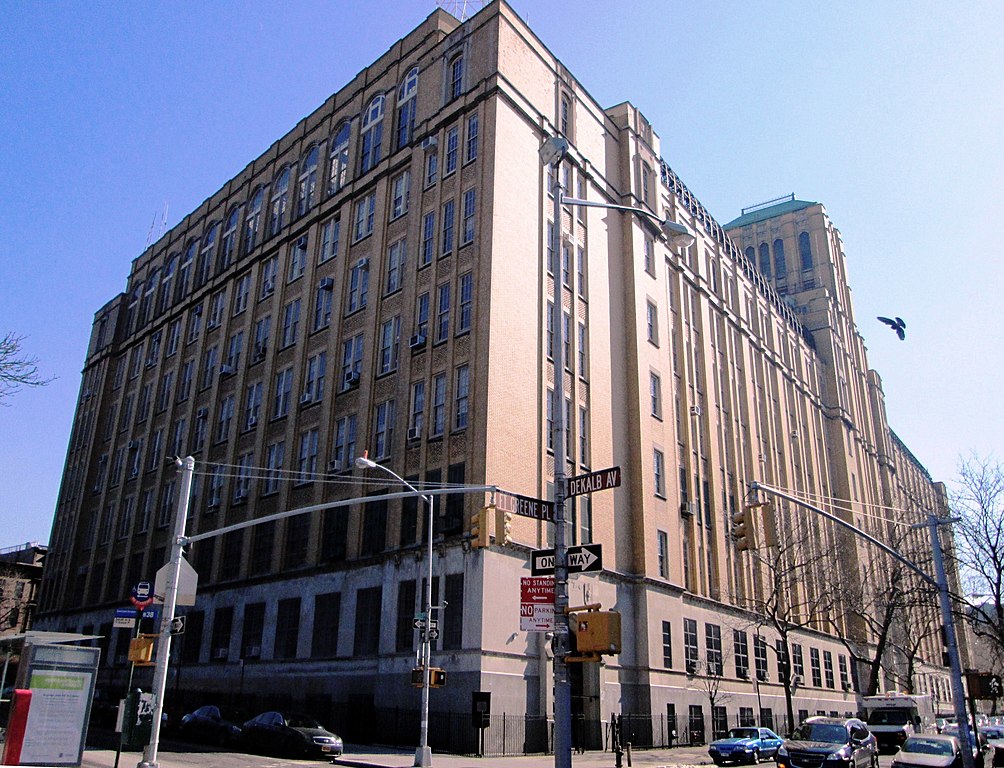
I could bore you with an autobiography here—my high school, Brooklyn Tech (left), for example, was a hotbed of recent immigrant kids from around the world. But it’s enough to say that growing up around here meant we literally had the world at our feet. (Please let me be snarky here—these trustafarians that we saw colonizing Brooklyn pre-pandemic. Can they please go home now? Gentrification is bad enough, but do they have to turn this city into the suburbs they crawled out of?) I knew Polish, Dominican, Greek, Russian, Chinese, and Jamaican kids, among others.

But I won’t. Back to fitting in and if we do or not. When I think of a permanent or long-term move to Italy, I’m grateful for the good training I had for the jump across the pond. One side of my family was made up of recent immigrants who hadn’t yet been assimilated into America. And TSW grew up hearing Greek and eating the Greek-inflected food her mom cooked. We both were used to a tight family structure and traditions that carried over.

The result? We’ve had it easier than the classic expat with no Italian background or citizenship. But even for us, it’s not always smooth sailing to become integrated into a country where you didn’t grow up though. I may be fluent in the language and get most of the social norms, but I didn’t go to Italian schools. I didn’t serve in the Italian military, for which there was a draft when I was of draftable age. So I’m missing the backstory, as journalists like to put it. (The guy on the right—my dad—had the opposite experience. He went to Italian schools and served in the army, and moved to the U.S.)

Whatever. We made our choice, now we have to live with—through?—it. I don’t know if I’m trying to convince myself or not, but being here temporarily in my native city feels strange these days, as though those five months here and there made me miss some development and it’s impossible to catch up. I can’t wrap my head around $30 cocktails, bad espresso in expensive restaurants, and the crazy drivers in unstable trucks.

Plus, the pleasures of living in Italy are undeniable, especially if you’re semi-retired and don’t have to deal with actually going to a workplace. Cheap, delicious food, the aperitivo hour (happy hour on steroids), easy access to kilometers of breathtaking hiking trails, good friends. Okay the bureaucracy sucks, but tell me where it doesn’t.

Cheap drinks may not be enough to convince someone to move to Italy. But they make dealing with the bureaucracy less painful.

I just wish I could take with me my fast Internet connection, Flushing’s Asian food courts, and my daughter’s dachshund, which we raised from puppyhood while Liv was in school. Hope she’s not reading this in case I plan a dognapping…
Our pre-Thanksgiving country life in the big, big city

I could whine, but I won’t. I was driving to a Trader Joe’s one recent morning. It’s on the other side of Staten Island—just another boring day in New York’s outer boroughs, right? As I approached a traffic light, the light turned yellow, then red. A law abiding guy, I came to a stop. But in my rear view mirror, I saw that a Honda Accord was tailgating. Thankfully, the driver didn’t smash into my car, but he or she plainly objected to my stopping, so the car whipped around my car and charged through the light. Luckily, no one was coming through the intersection.

But I avoid most of that by not going out much, or at least not to that side of the island much. Instead, we’ve stuck to our neighborhood. Unlike whole swathes of this island and New York City in general, it’s just beautiful. We’re surrounded by parks and woods and, a little further away, the harbor and a historic fort. So we can take walks that resemble those sun-dappled pharmaceutical commercials.

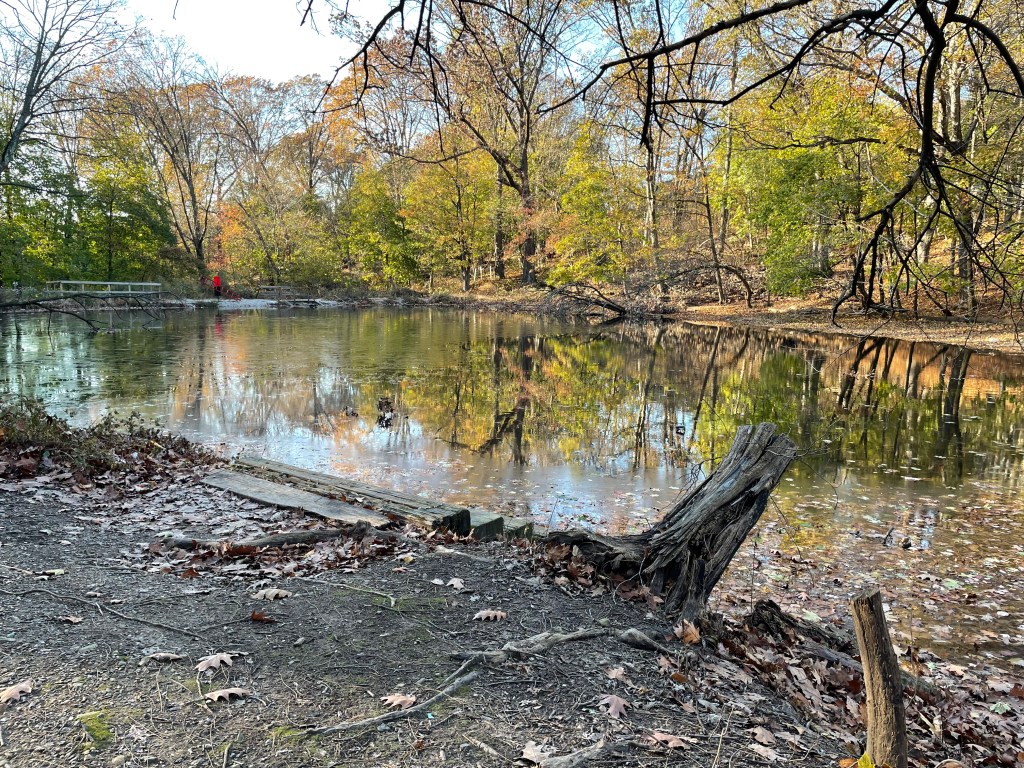
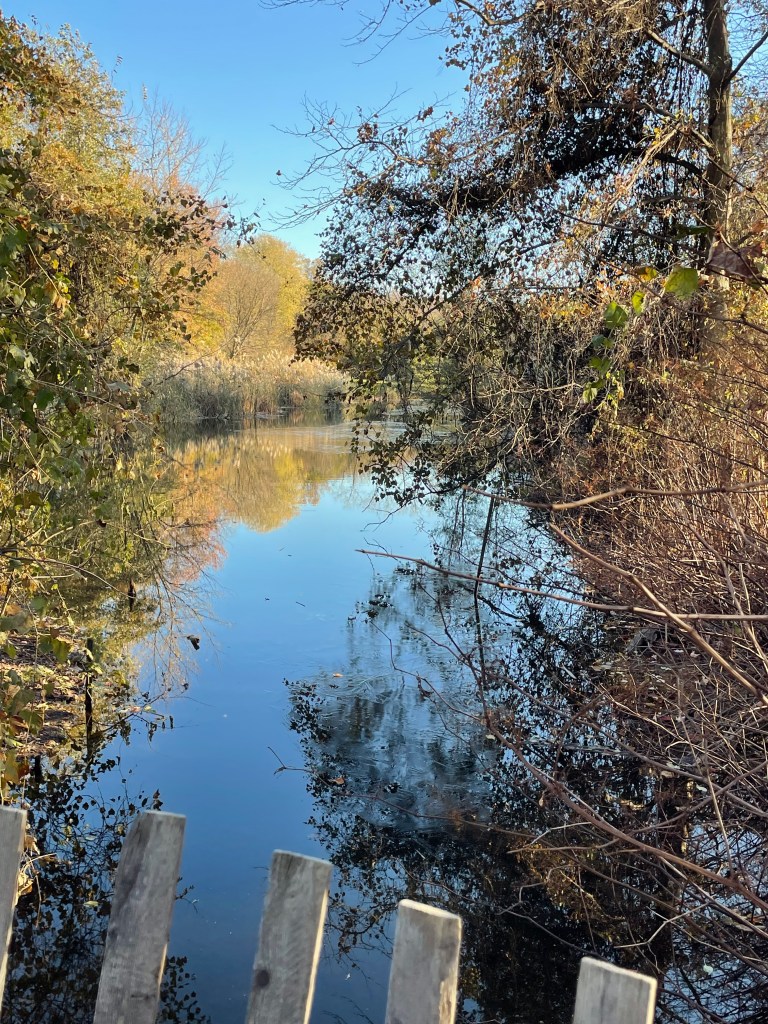
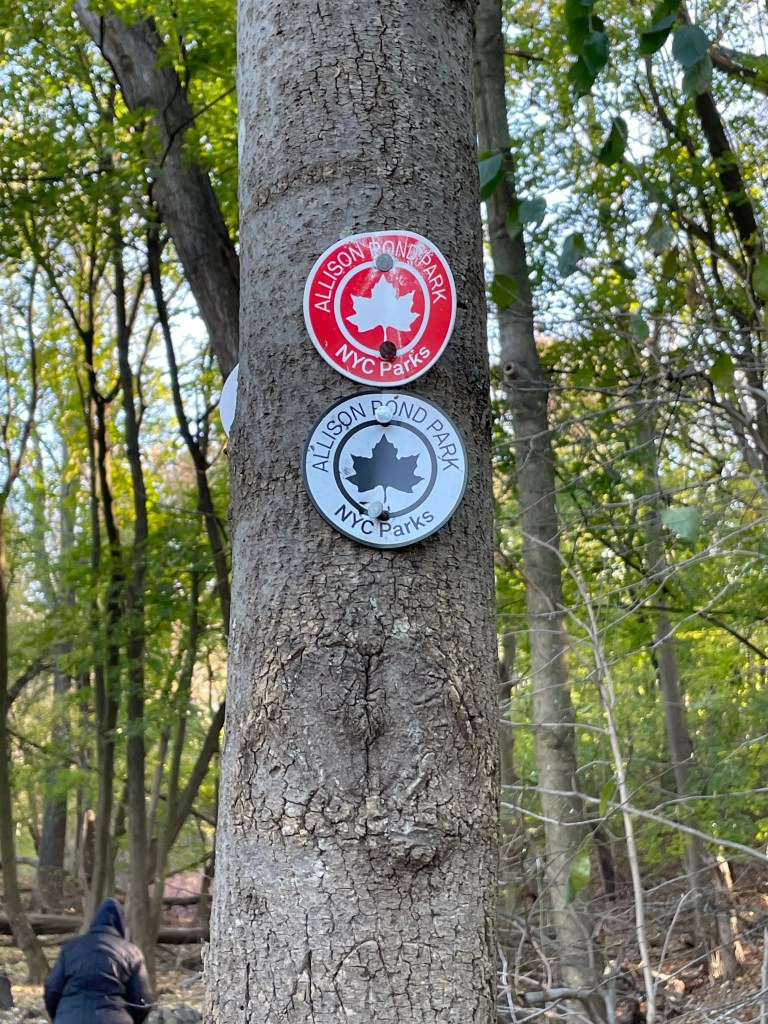
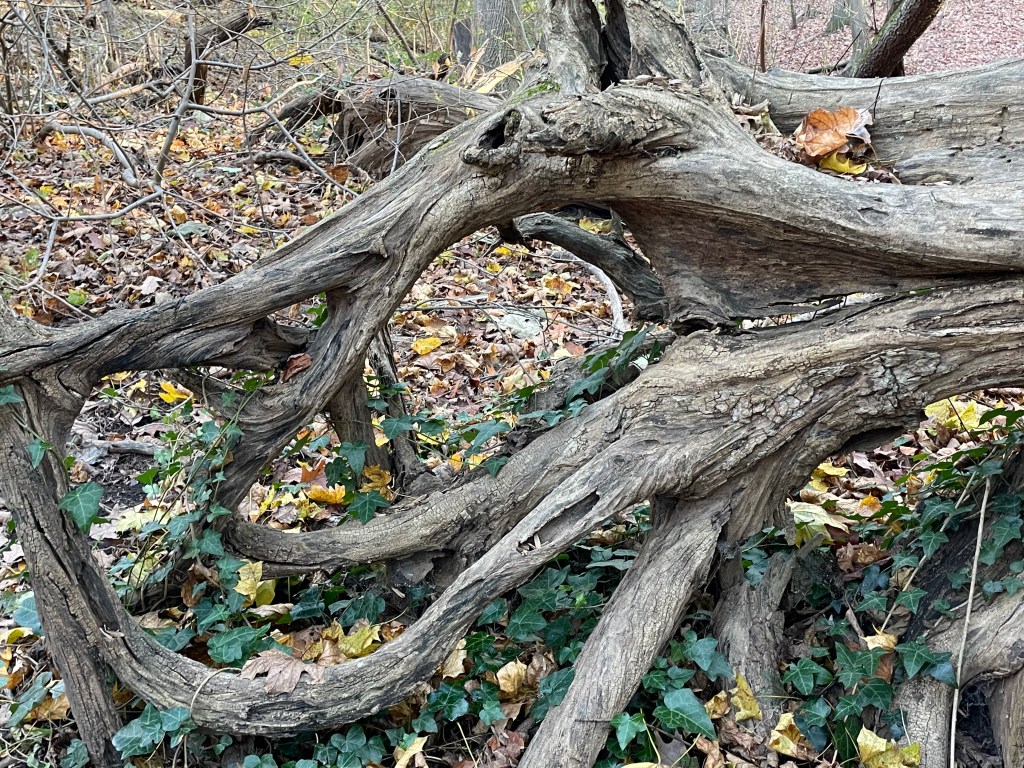
Today we went for a hike. Being a little lazy and wanting to maximize the pup’s off leash (shhh!) time, we drove to Allison Pond down the hill. There’s a pond, no surprise. But behind it are acres of woods. The pond was named after the daughter of George A. Outerbridge, an engineer who owned the property and designed the Outerbridge Crossing that connects Staten Island with Perth Amboy, New Jersey. One of the many Staten Island oddities is the bridge’s name. Looking at a map you might think that the bridge is so named because it’s out there, near the southern tip of Staten Island and, really, New York State. But no. It was named after its designer, Outerbridge, and instead of calling it the Outerbridge Bridge they had to use the word “Crossing,” a word that about 10-15 years ago came into vogue in the names of shopping malls.

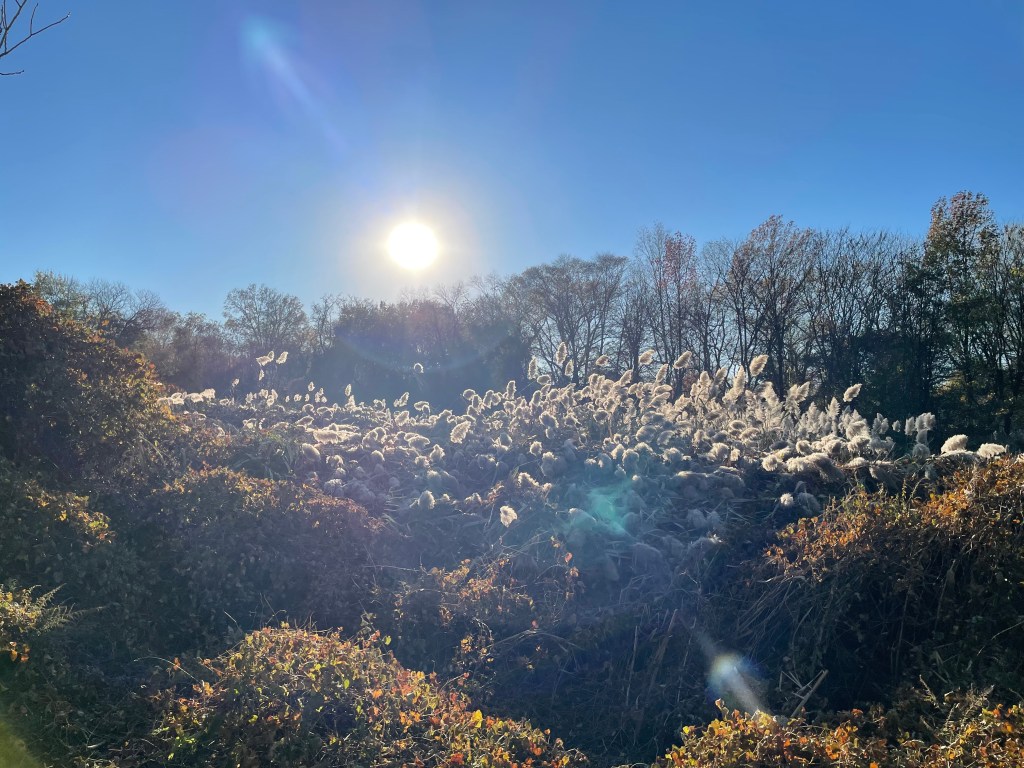
But I digress. Take a look at the gallery below. This is November, and the light on sunny days is beautiful and golden. It’s such a contrast to what I usually think of November, gross windy rainy days and the only outdoor colors seem to be black, brown, and gray.

Here and below, click on photos to enlarge.

YESTERDAY’S AFTERNOON WALK WAS slightly more urban. We took Lola to her usual morning place, the Snug Harbor Cultural Center. I’ve probably posted dozens of photos of the place to Instagram/Facebook and bored everyone I know. But the place is really special. And it’s where our neighborhood here began. Trader Robert Randall traded what became the area around Washington Square for acres of land on Staten Island’s north shore. He established a home for retired seamen on the land fronting the Kill Van Kull, the strait that separates Staten Island from Bayonne, New Jersey. He built a beautiful campus full of Greek Revival buildings, and the establishment was self-sufficient, with its own farm, livestock, chapel and cathedral, dormitories, and sadly, a cemetery. The land uphill of the home became Randall Manor in the 1920s—where we live in New York.

The old guys were shipped to South Carolina some decades ago, and hungry developers wanted the land for condos and the usual horrors visited on this island. But Jackie Kennedy Onassis, among others, campaigned to save the historic buildings and beautiful grounds.

Today, it’s a art center that boasts studios for artists, museum spaces, and a gorgeous botanical garden that includes one of the few Chinese scholar’s gardens in North America.The administration does what it can with a severely limited budget. A few years ago a visiting cousin from Switzerland was shocked at what she saw as neglect of a beautiful place. It’s better now, if not up to Swiss standards, and Greg, the botanical garden’s chief, does an incredible job of rotating plants through the year.

So most mornings we walk Lola through the grounds. We have dog friends, and so does Lola. The Harbor in general has a low-key hippie vibe that fits in perfectly with that part of the island, which boasts a historic district and scores of gracious 18th and 19th century homes. It’s been cold the past few mornings, so we’ve waited until the sun warms things up a bit. The reward has been this golden light that makes me look like a better photographer than I am.

What’s that about how you can’t go home again?

I’m sitting in the kitchen of our house in New York. It’s been awhile since I posted from here, say, six months or so. We got here a week ago and I guess I could’ve posted some fluffy thing about our smooth voyage back to the land of the compulsory national anthem.

But then it happened.

We innocently took ourselves up the street to our friendly locally owned pharmacy for the latest Covid omnicron bi-whatever booster shot. We’d faithfully gotten every vaccine, every booster. In Italy, we stayed away from crowds. We wore masks when we weren’t obligated to. We got here via one long van ride piloted by our friend Angelo, one night in a beachside hotel, an early morning cab ride and two Lufthansa flights, the first from Rome to Munich, then Munich to JFK. The flights were jam-packed, so much so that we got alerts on our phones to check hand baggage if possible to leave enough space in the overheads.

So we masked on board, except for meals. Sorry kiddos, but these old peeps gotta eat and drink. Then, remasked, The Spartan Woman settled in for some movies, while I, the dissolute blogger, took advantage of some pharmaceuticals and the delicious bubbly Henkell Trocken supplied by Lufthansa to get some needed sleep. As far as I’m concerned, the best flight is the flight that I barely remember.

Immigration in NY was swift, lubricated by a nice conversation with an elderly lawyer and his charming wife while on line for Mr. Passport Man. “How long was your stay?” asked the passport guy. “Six months, more or less.” Welcome home. An Uber later and a frenzied Lola the Bassotto (dachshund in Italian) was doing circles and screaming at the top of her lungs when we saw her. It was nice to be back.

So fast forward…it’s Saturday. We take the pooch out for a walk and head for the Greenmarket. We’re always thinking of Sunday pranzo (midday meal, spiritually more than just lunch), so we buy mussels, some beautiful tuna and swordfish, chard, and apples. Corn, too. In other words, we’re back to our New Yawk life.

Snug Harbor: Where art and botany live together in perfect harmony

Or so we thought.

It started late Saturday. You know that intuition that something isn’t quite right? I felt hot. I felt cold. I felt hot and cold at the same time, I couldn’t tell the difference. Pressure built up in my head. I looked over to TSW. She seemed to be a bit ragged too. It got worse. We tested. Negative. Phew. It’s just a reaction to the booster.

It wasn’t. A day (or was it two? It’s all a blur) later, TSW tests positive. I took a few home rapid tests, still negative. Still, as of Monday morning I would’ve been happy to have been knocked unconscious. I put my hoodie on and wrapped myself up in a fleece blanket. Then took it all off and hung out in my T-shirt. Rinse. Repeat. Or something like that. In the back of my fevered brain (yes, I had a fever of 102 by this point) I knew I was on deadline for an actual, someone’s paying me article. In a mighty show of pitiful mind over matter, I sat up and banged out a draft. Then I collapsed in an easy chair. I don’t remember much else except that an hour before filing the piece the next day I decided that I wrote it backwards, and rearranged paragraphs. Good thing I had 30 years of editing experience, so doing that didn’t take much brainpower or patching around the moved pieces.

She had to rest after all the excitement of seeing us.

More tests for me. Same result. TSW and Dr. Joe said get thee to a PCR test. Did that. Still negative, while TSW, daughter no. 2 and BF of daughter no. 2 all positive This does not make sense. Nope. None.

So that’s where we are. We get a little better every day. The other three at least have a name for how rotten they feel. Trust me, I’m not having sympathy pains, though by now I’m a day or so ahead and can approximate a human being.

We never did have that nice seafood dinner.

Il Sorpasso (The Overtaking)

I took the car in for servicing the other day. It’s starting to get hot, and the air-conditioning wasn’t pumping out cold air. The Renault needed an oil change, and as the mechanic looked it over, he told me that I should pop for new front brake pads, too. None of this is very exciting, I’ll admit, nor is it a particularly Italian experience.

But the service center is part of a dealership that sells not only new Volkswagens and Nissan, but trades in some exotic and a lot of expensive vehicles like Range Rovers and Maseratis. And the service center itself is really something. There’s a showroom in front that features some of the more exotic vehicles they’ve got. It seems like they stick to a theme when they can, and today’s four cars in the room were all Alfa Romeos of various vintages, including a gorgeous 2600 GT from the 1960s, a more modern Brera and a 75 Turbo from the ’80s, which I think was fairly successful in rallyes.

Made in Italy. But for how long?

All of this made me think about my relationship to cars and driving, and to Italian and American car culture. I grew up in an outer borough of New York City, where public transportation frankly sucked (and still does). Drivers’ ed and getting a car were rites of passage that were huge in Staten Island, just like in suburbs and rural places everywhere.

My first looked like this.

My first car was something I bought with my parent’s help (cue cliché) was a Fiat 128, bright red, stick shift, tiny but rev-happy engine. It hardly had any power, especially by today’s standards, but it was a blast to drive. They say that it’s more fun to drive a slow car fast than a fast one slow, and I believe it. Staten Island has lots of curvy hill roads and traffic wasn’t much back then, so when I needed to blow off steam I’d charge around the hillsides, revving the 1100 cc engine to an inch of its life. (I went too far once gunning it onto a highway, breaking the timing belt, which sent a couple of valves into and fusing with pistons. Oh, and it warped the cylinder head. Oops.)

The Spartan Woman had a Fiat, too. In fact, I was really interested in a girl who knew how to drive a stick shift, had a car with a twin-cam engine, and who knew how to change her own oil.

All of this sounds like fun, but even as I thundered around banked curves, I felt guilty. The left side of my brain, te more rational, politically aware one, knew I was polluting the planet. I hated what cars did to cities and the ‘burbs. I knew that Robert Moses, who got chauffeured around in a huge Packard, loved cars and back then, and the relatively affluent people who drove them. And he hated subways and the peons who rode buses and trains. The car can directly be blamed for those wide boulevards of nowhere, with the same chain stores, gas stations, and restaurants, not to mention the emptying out of cities around the U.S. I went to Cleveland a few years ago and I was shocked to see so many big parking lots right downtown.

Besides, driving in and around New York had become a drag. We always like small, zippy cars with manual transmissions, going from the Fiats to a pair of Mitsubishis, to Honda Civics. When we got had two kids and a Labrador retriever, we bought a Volkswagen Passat wagon and traveled around the Northeast and the province of Québec, Lab in back and a Thule box on top. At the same time, Americans were going for ugly, boxy, huge SUVs and pickups. C’mon people, do you need to drive to the mall in a Ford F150? Gimme a break.

By then I was renting cars on our Italian vacations. What fun. No, really. Once out of the cities, it’s a breeze, especially in a responsive European car, rowing the gears, downshifting around turns. (One daughter, however, was not thrilled. Prone to carsickness, we’d have to stop by the side of the road while she, um, righted herself.)

Here’s the thing, though. At first rentals were Italian cars: Fiat, Lancia, Alfa Romeo. These marques were under the rule of Fiat and the Agnelli family. The company was a source of pride to Italians—and also a target for left wing critics. It is not by accident that this country has some of the best highways in the world, but also for years did not invest enough in modern public transportation. Still, these companies made sports cars, tiny city cars, family haulers, elegant luxury models—the whole gamut. But if you look now, Fiat’s reduced to a few small to slightly larger cars and crossovers. Alfa is two models, a beautiful sedan and an SUV. Poor Lancia, star of the movie Il Sorpasso, is now one weird little model based on the tiny 500.

Now Fiat, like the Chrysler it took over a decade ago, is part of this oddly named multinational called Stellantis. Basically, Peugeot, the historic French carmaker, fused with Fiat-Chrysler to become this hydra-headed tri-national, based in Paris, Torino, and Detroit. And instead of Alfas or Lancias closing in on me in the left lane, I see Audis. Black Audis, mainly, which seem to have become the favored car of Italian asshole drivers.

They don’t make cars, they make “mobility solutions,” whatever those are.

This reduced Italian-ness, for want of a better term, seems to be a symbol of Italian life today, from the postwar miracle to the Italian-speaking province of Eurolandia. I like living in Eurolandia—it’s superficially more prosperous, modern, global, etc. But at the same time you can’t help feeling that something’s been lost. And that sense of loss is what fuels populist movements and political parties. People like to feel that they’re part of something. Being a consumer of the world’s goods doesn’t cut it for a lot of people—and the left, both the angry old commies and the new hipsters, haven’t yet offered enough of an alternative to those disoriented and saddened by this homogenization.

Polish dulce de leche and a serendipitous wedding

I haven’t written much since we’ve been back in New York—and I haven’t posted what I wrote. Too busy with the usual stuff, work and (ugh) taxes. Truth is, it’s been kind of dull, except for good things like seeing the kids and having the dog around.

But this past week was different. Nope, not talking about the Mueller report. This is about me, remember?

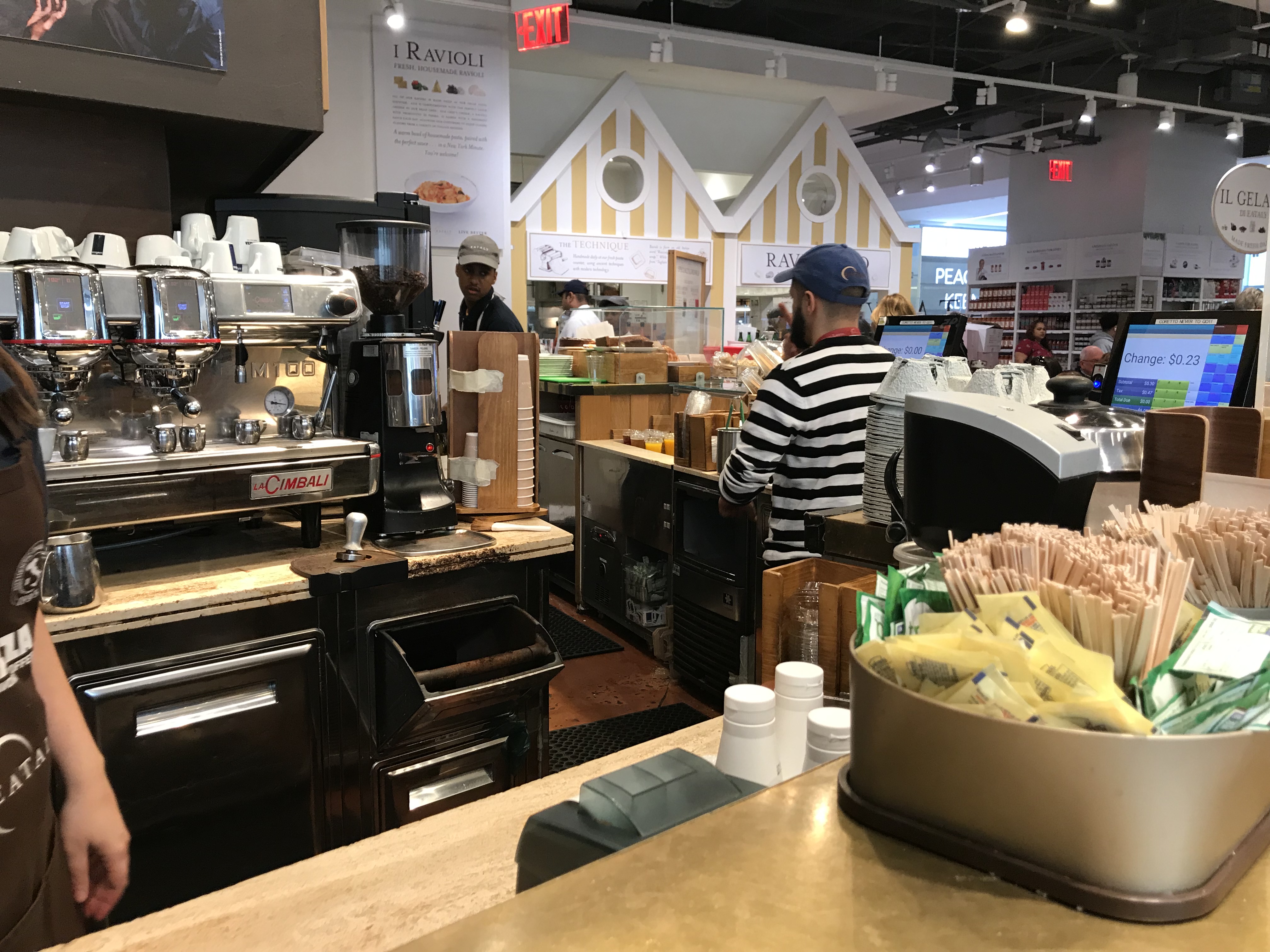
First up: The Spartan Woman had to go to a teacher’s union meeting near Wall Street. She’s retired, but they keep the alums in the fold. I tagged along, having nothing better to do and wanting to get out of the house. I used to work in the neighborhood, so I have my favorite walks. One of them took me to Eataly, where I used to enjoy a mid-afternoon espresso with one of my deputies most days. It may be a semi-pretentious temple of Italian gastronomy, but they actually make good coffee there and it’s not ridiculously priced. Then I walked through the Oculus, which I love in spite of the $4 billion price tag. The passageway under West Street took me nearly out to the river, where I started to head downtown along the Battery Park Promenade. The harbor’s my thing. After living on a mountaintop, the crush of people on the street is a bit much.

One of the few places to get a decent espresso in the city.

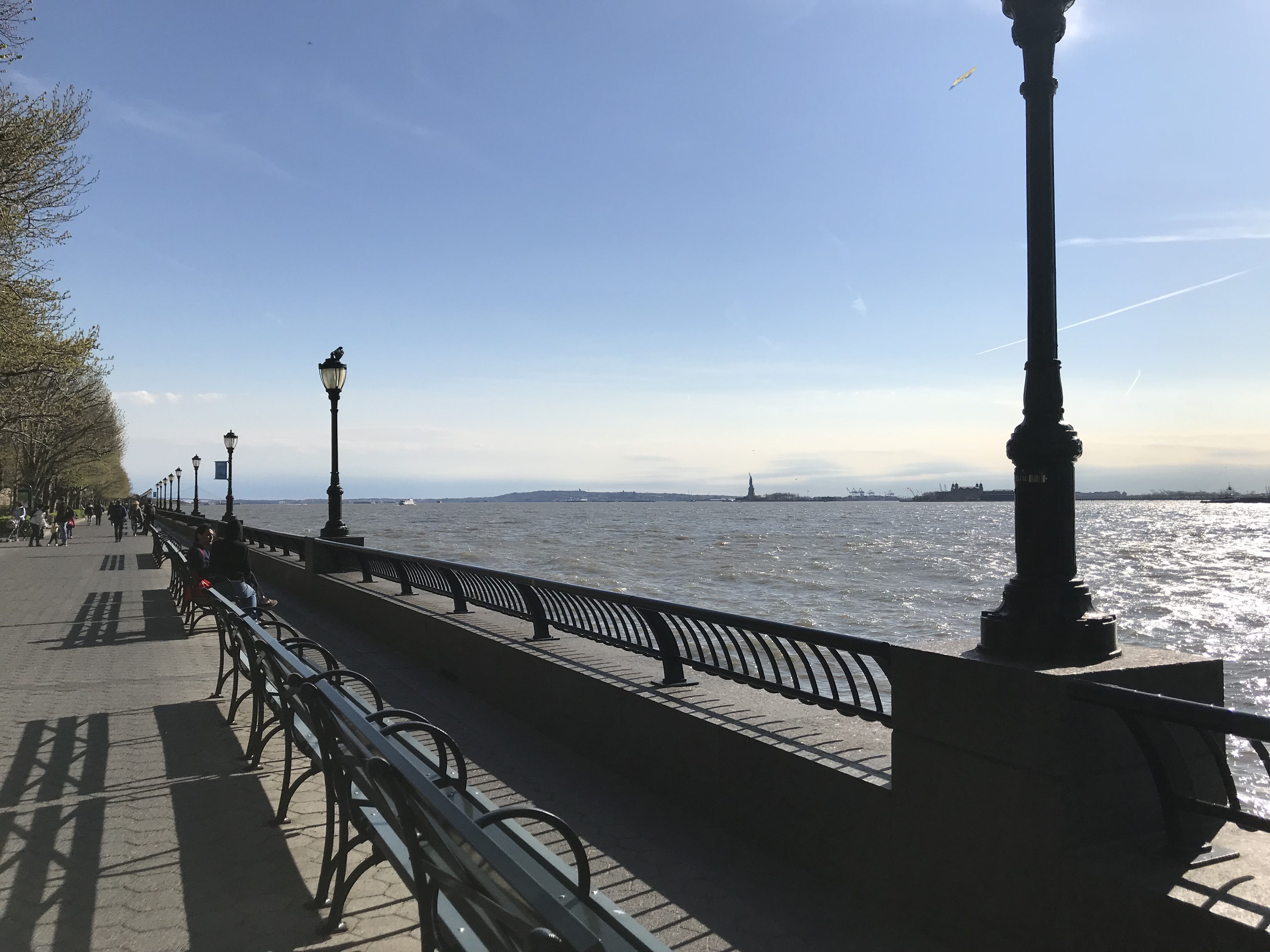
So I walk, and I see a tent. There’s a party going on, apparently thrown by the I Love Poland Yacht. People have gathered, but it’s not a huge crowd. “Help yourself to the buffet,” someone told me. I was tempted, but I wasn’t into sausages, sausages and huge balls of stuffed cabbage. But the drinks stand called me. “Some vodka or beer?” Yes, please, the vodka being herb flavored and delicious over ice. A young woman was walking around with a tray, while kids were getting helium-filled balloons. “This is a traditional Polish pastry,” the woman said. “It’s filled with something like dulce de leche.” Thus fortified, I continued my walk and saw views like this:

New Yorkers sometimes forget that they live on a beautiful harbor.

The next day, we walked the Avenue. We live a few houses up from Forest Avenue, the neighborhood’s commercial strip. A few months ago, I walked up and down it with one of the kids, who, looking around, said something like “When did this go all Brooklyn on you?” It’s true–we always had bars, but now we’ve got cafés, cool restaurants, including my favorite local Syrian place, hipster barbers, a bakery that has a gelato stand when it gets warm…you get the idea. We stopped in for breakfast at the On Your Mark Café, a breakfast and lunch place that employs people with special needs. The servers are super-attentive and food’s decent. I’m not a breakfast person but I couldn’t resist the chocolate chip pancakes, made with chocolates the organization makes next door in its chocolatier.

Chocolate, the breakfast of champions

The best adventure, though, was on Friday. I was heading into Manhattan to have lunch with an old friend who was in town the same time I was. We’d been missing each other for the past couple of years when it came to being in New York at the same time. The bus to the ferry was slow and I started to hustle to get the 11:30, just to have a little walking around time in Union Square. But another friend, Joan, intercepted me. “Want to see a wedding on the boat?” she asked. What? Her son was going to tie the knot on the next boat. I guessed that that explained the young woman running around the terminal in a wedding gown. We went over where the other guests were hanging out; I saw another old friend and a former co-worker from 20 years ago.

Making a vow or two.
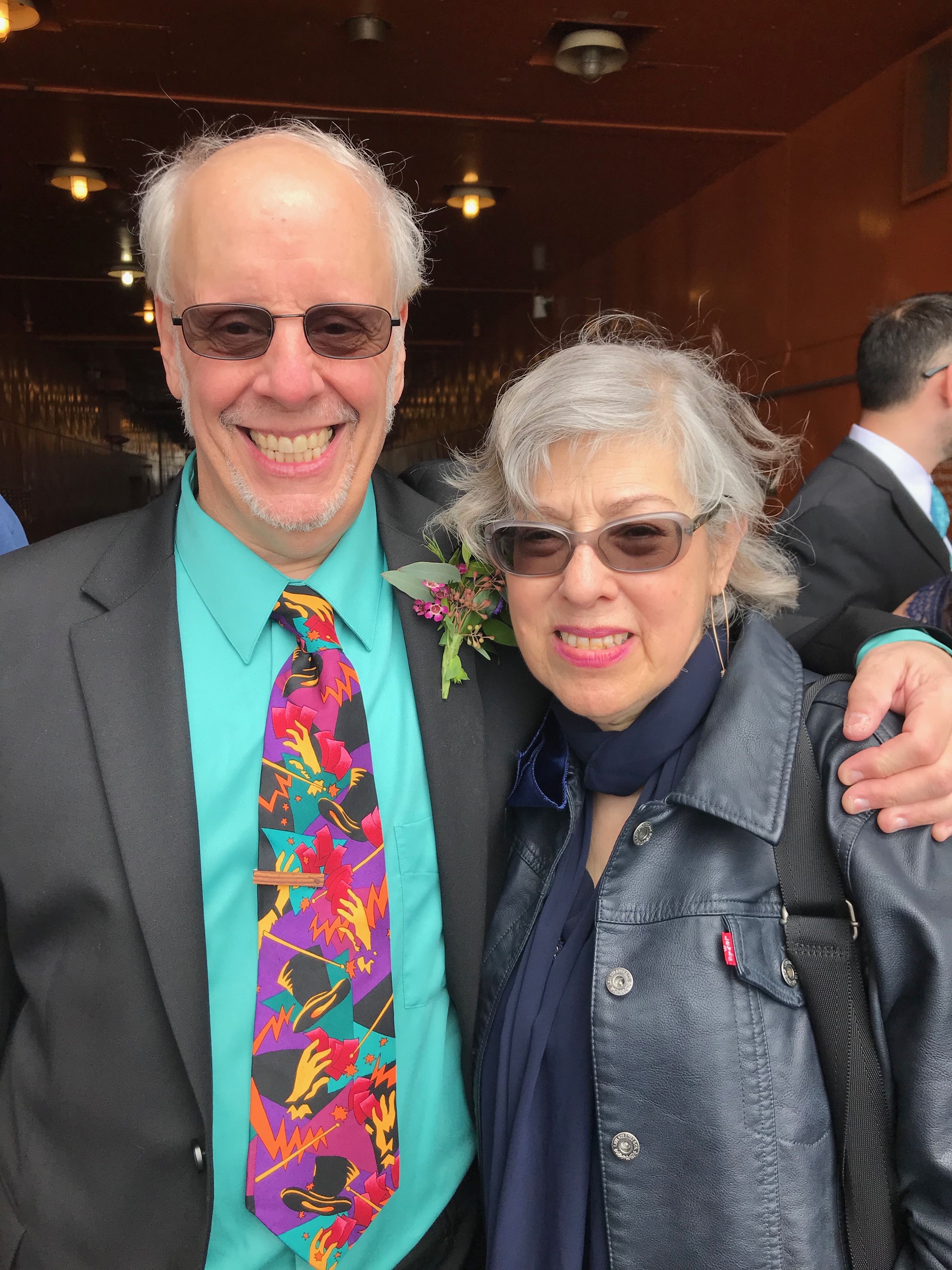
Meet Gary and Joan, parents of the groom

We boarded, went downstairs and, yeah, this was an official wedding, with a bridal party decked out (and sporting similar retro sneakers). The officiant gave a little speech, saying he didn’t have many profound things to say, but that we were all gathered there because of love. “And that’s a good thing, right?” Right.


Rent

IMG_0428.jpg

So the other night we celebrated kid number 2’s birthday. We did it like we always do: We go out to eat, and usually it’s at the kind of place that’s more of an occasion than the place up the street. After 10 years of writing restaurant reviews in a prior life, I keep up with what’s happening, more or less. The only thing is that someone isn’t paying the tab any more, so it’s more less than more.

The birthday girl (my wife, kids) or boy (me) gets to choose. Every now and then, Ms. Birthday can’t make up her mind, so The Spartan Woman or I make it up for her. Liv couldn’t decide or think, or probably was too busy to find a Brooklyn hot spot this time. So I saw that Eataly’s Flatiron rooftop restaurant/bar, Birreria, had a cool seasonal popup  called Baita, an Italian Alpine-themed eatery. Supposedly. By mid-spring, polenta had vanished and the food seemed fairly New York dee-luxe Italian, with the exception of Alpine cheeses and wines from northern regions.

Version 2So, fine. It was all delicious, well-prepared. We had a great time. The boyfriend and kid number 1 came, and we enjoyed ourselves immensely. But really: a cheese plate with three bites for $15? A seafood fritto misto in a dainty little bowl? Some reasonably priced wine, but you can get two or three Aperol Spritzes for the price of one at Birreria.
Coming from Perugia, it all seemed faintly ridiculous. I know, I get it. This is New York, and it’s an expensive city. We aren’t just paying for the food and drinks, we’re paying for the privilege of being part of a scene in The Greatest Fucking City on Earth. Rent.

Or is it? I’m a native, but the city seems distinctly Disneyland-New York-themed to me these days. It’s as though the city, especially Manhattan and the more precious Brooklyn precincts, is like a movie set for those not privileged to be native New Yorkers to live out their fantasies. I realize that New York has always been a place to retool oneself and be cooler than…well, out there somewhere. But sheesh, there have always been real people living in Manhattan and Williamsburg. Until, it seems, now.

This Disneyland for the 1 percent quality isn’t accidental. Check out this interview in Gothamist with Kim Phillips-Fein about how this unreal movie set of a city isn’t accidental, but a result of deliberate policies set in motion back during New York’s 1970s financial crisis.

In the meantime, here are a couple of photos of a dinner we had with our pal Fabio Bertoni a couple of weeks ago in Perugia, at l’Officina, probably the city’s biggest scene of a restaurant. It doesn’t lack for creativity; in fact, the food was fancier than what we had at Baita/Birreria. These shots are from the vegetarian tasting menu; a few courses with generous pours of wine throughout cost €25 a head. You read that right.IMG_0209IMG_0208